Essex sits about 8.7 miles east of downtown Baltimore, on a Baltimore County peninsula bounded by the Middle River to the east and the Back River to the west, with Chesapeake Bay access toward Hart-Miller Island. It covers roughly 12 square miles inside ZIP 21221, and almost none of it sits far from tidal water. That one fact shapes every wall, foundation and chimney we look at here.
The community was platted by the Taylor Land Company in 1909, ten blocks running from Mace Avenue to Marlyn Avenue. What really built Essex was the Glenn L. Martin Company and the more than 53,000 workers it employed. That wartime surge is why the 1940s alone account for roughly 24% of the local housing stock, and why about 57% of it predates 1960. Another 2,190 or so units were standing before 1940.
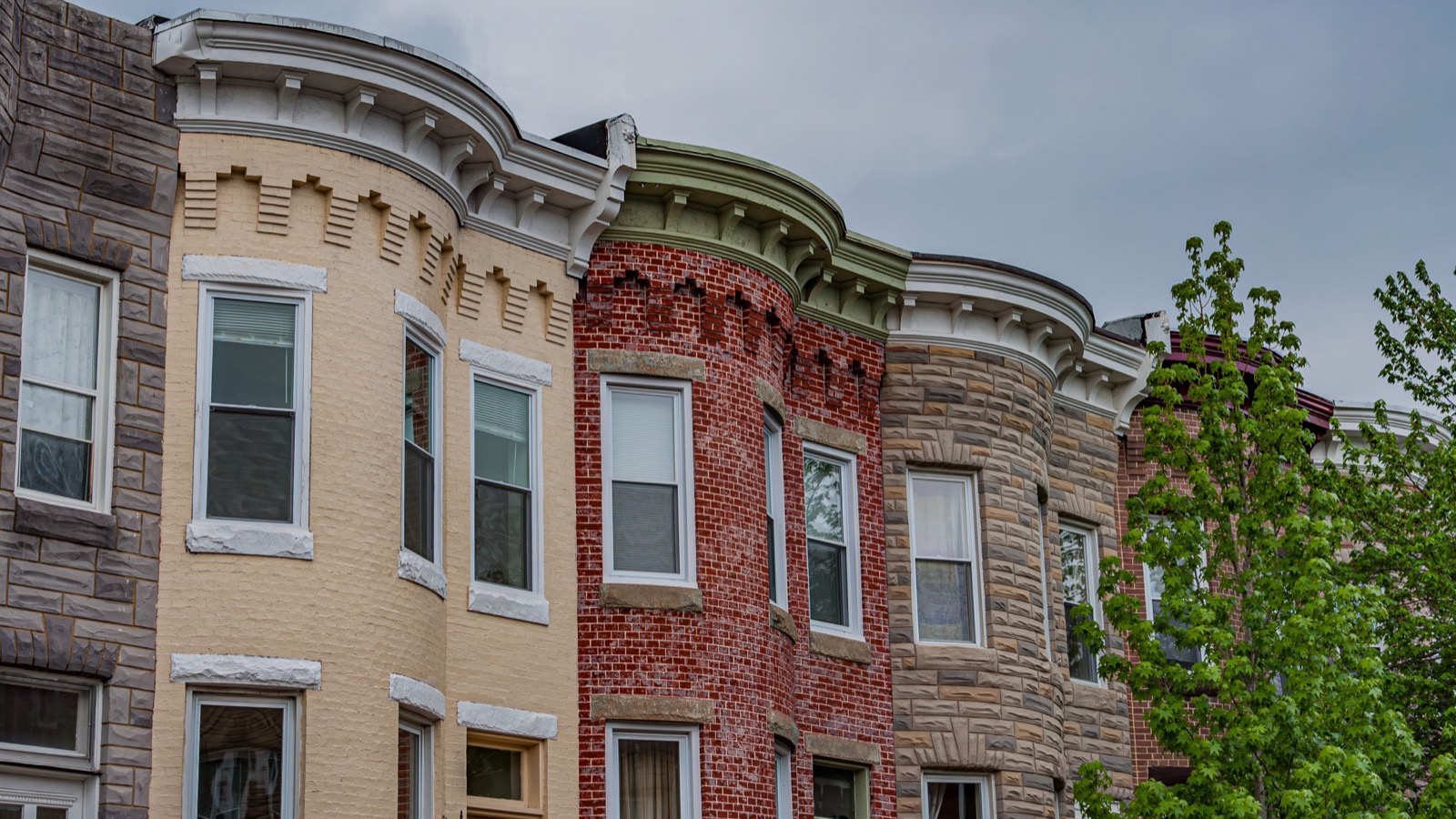
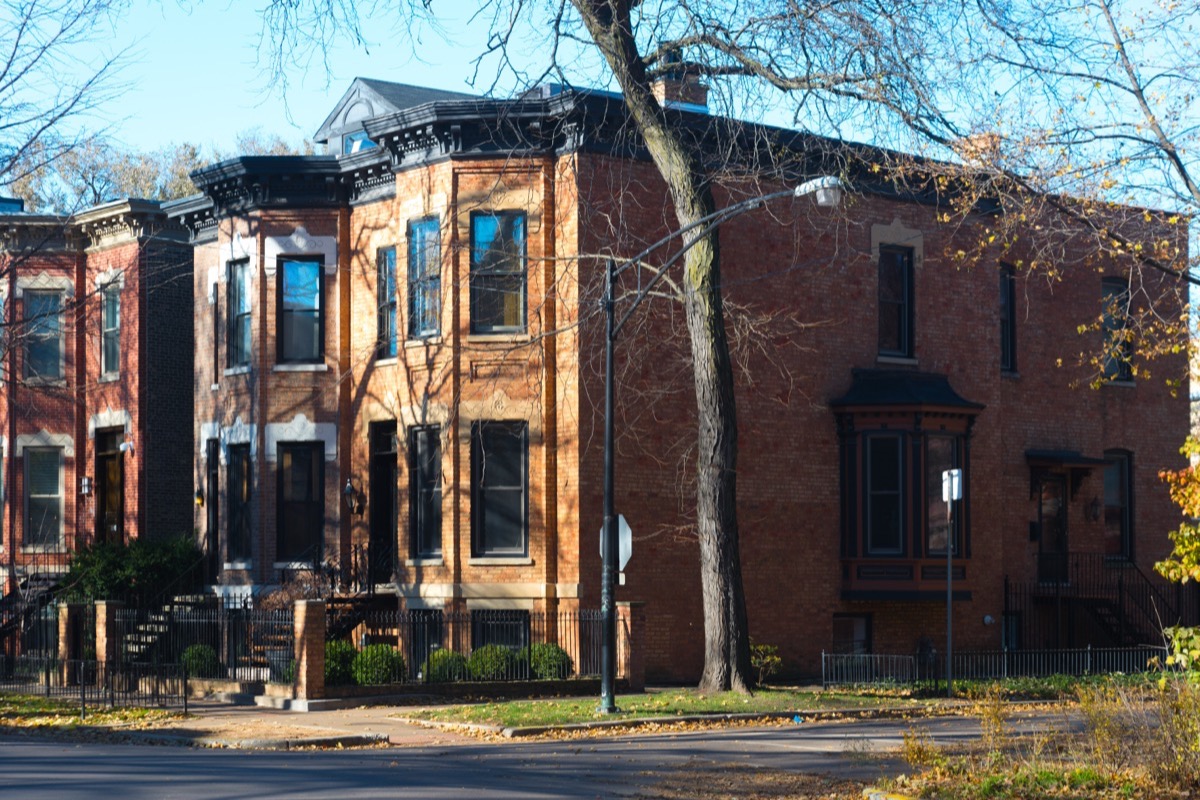
What that history left is a specific mix: 1940s and 1950s brick and block rowhouses and duplexes, Cape Cods, small waterfront bungalows out toward Rocky Point and Cox's Point, older homes around Stansbury, and a large garden-apartment inventory along Eastern Boulevard (MD 150). Add the buildings on that corridor, from the Middlesex Shopping Center (1955) to CCBC-Essex (1957), and there is steady work for a commercial masonry crew too.
One thing Essex does not have is a historic district. Ballestone Mansion, built around 1800 and listed on the National Register in 1975, is an individual listing, not a district, so repointing your rowhouse here does not come with a district review. Neighboring Middle River (ZIP 21220) holds the region's best known wartime housing experiment, Aero Acres, built in 1941 and 1942 to a Skidmore, Owings & Merrill design: about 600 homes made from prefabricated "Cemesto" panels on streets laid out in the shape of an airplane, with names like Cockpit Street and Fuselage Avenue.
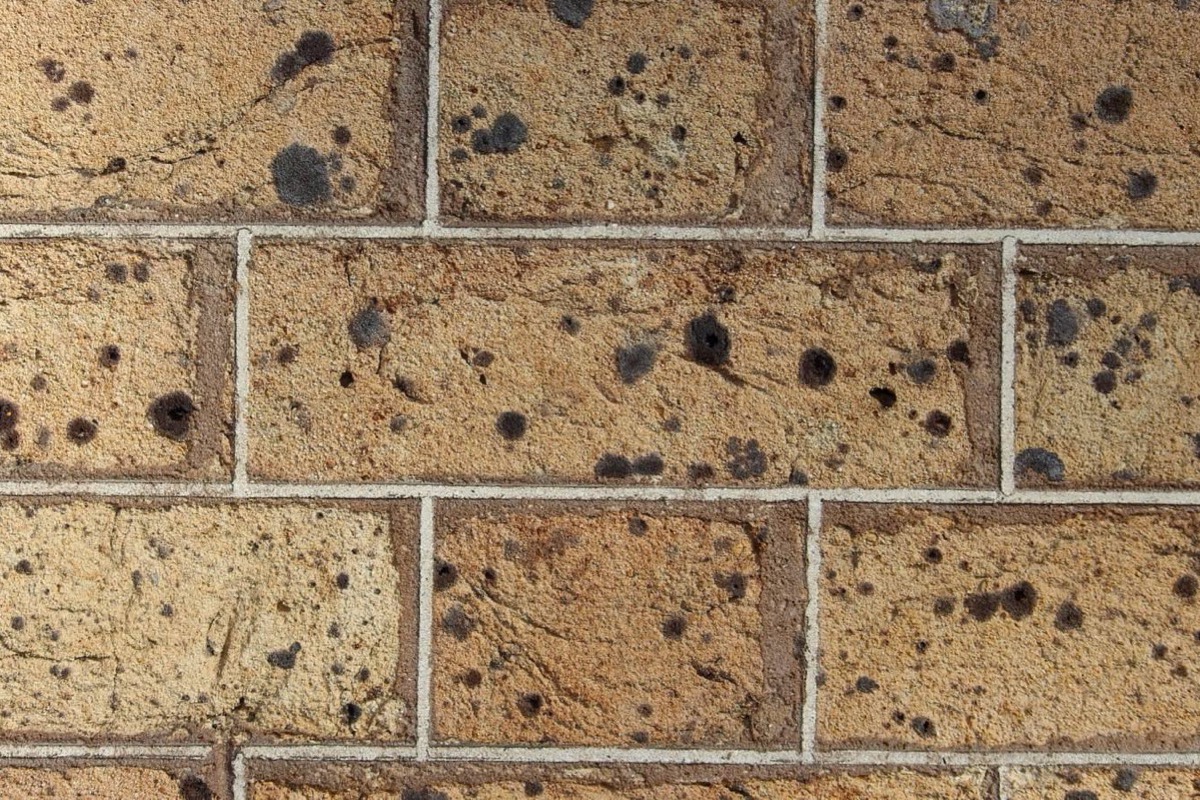
The masonry consequence is timing. A huge share of Essex went up inside one short window, so mortar joints across whole blocks are reaching the end of their service life at once, in the saltiest air in the county.