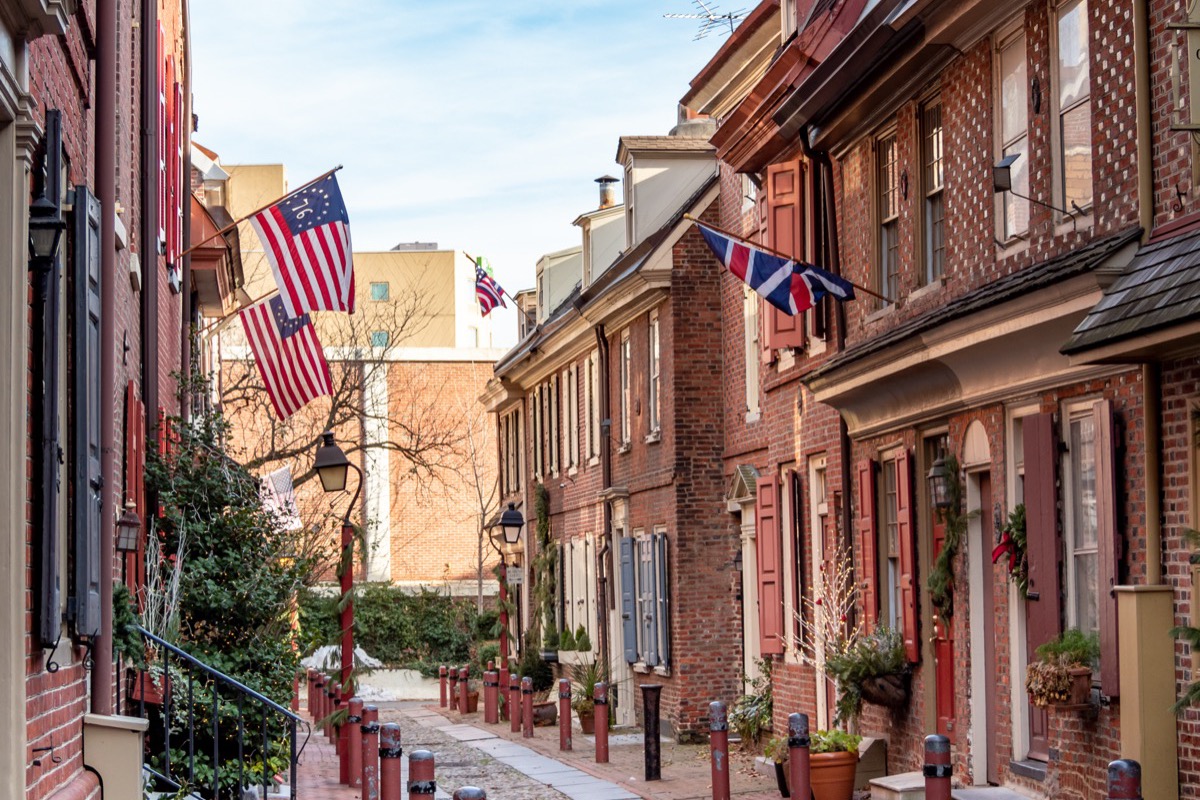
Towson is a 1920s to 1950s masonry suburb, and that single fact explains most of our call outs. Baltimore County has had its seat here since 13 February 1854, and the courthouse raised that same year, of limestone and marble donated by the Ridgelys of nearby Hampton, still anchors the town center. Around it sit about 14 square miles of brick: rowhouses, Colonials and interwar Period Revival houses in brick and stone. Most masonry repair in Towson, MD traces straight back to that era.
We work both residential ZIPs, 21204 and 21286, the latter skewing heavily to the 1940s. Rodgers Forge went up between 1934 and 1956 under James Keelty Sr. and his sons: more than 1,777 red brick rowhouses. Stoneleigh, platted in 1922 and enlarged in 1954, mixes Tudor, Colonial, French Revival, Spanish Mission and Craftsman on the same streets. Anneslie, platted in 1922 and built out by the 1950s, runs Bungalow and Foursquare in the north, Cape, Tudor and Colonial in the south. Add Idlewylde, Wiltondale, Loch Raven Village, Southland Hills, Greenbrier, Campus Hills, East and West Towson, Ruxton and Riderwood, and that is a lot of eighty to hundred year old mortar.
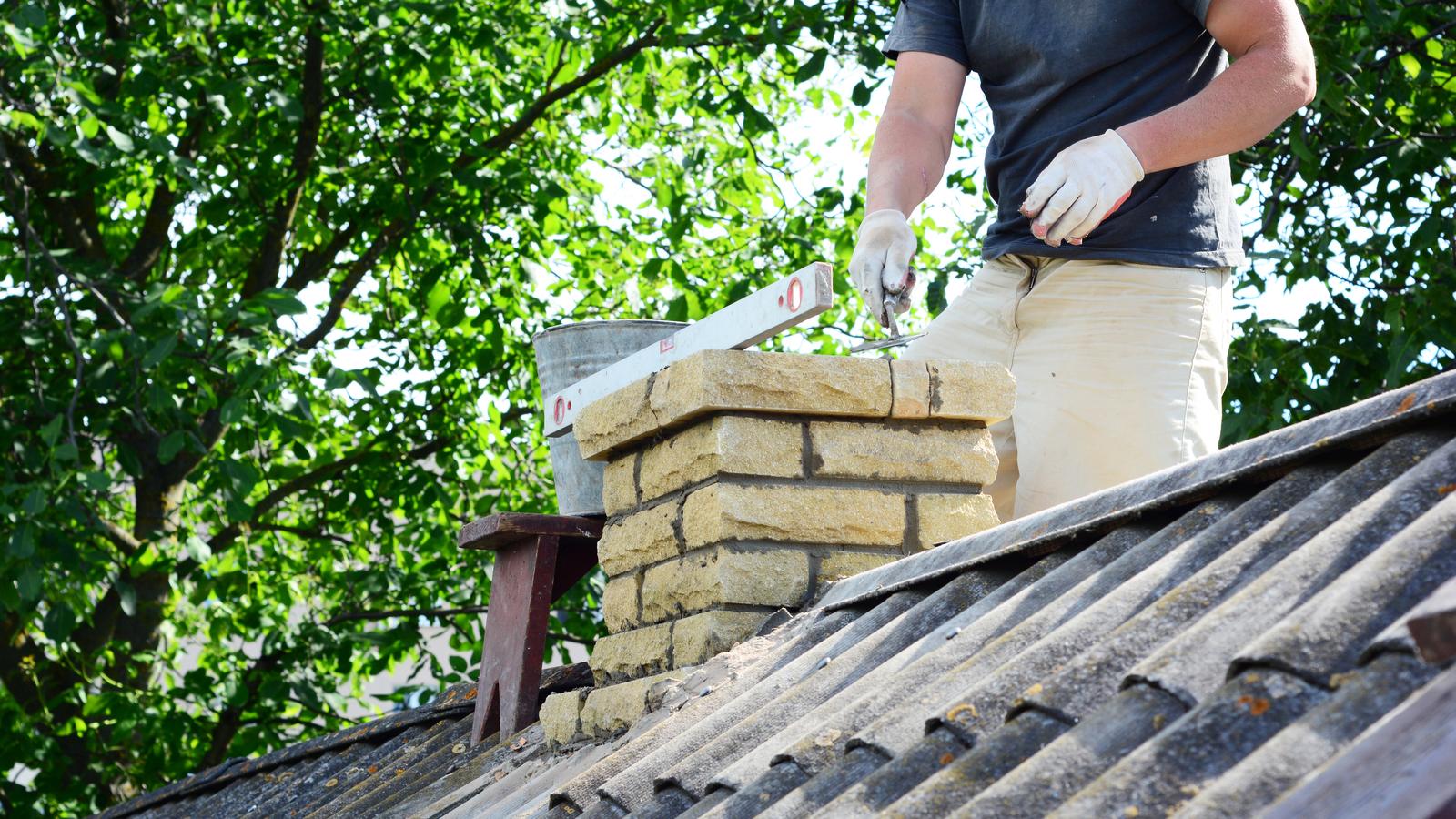
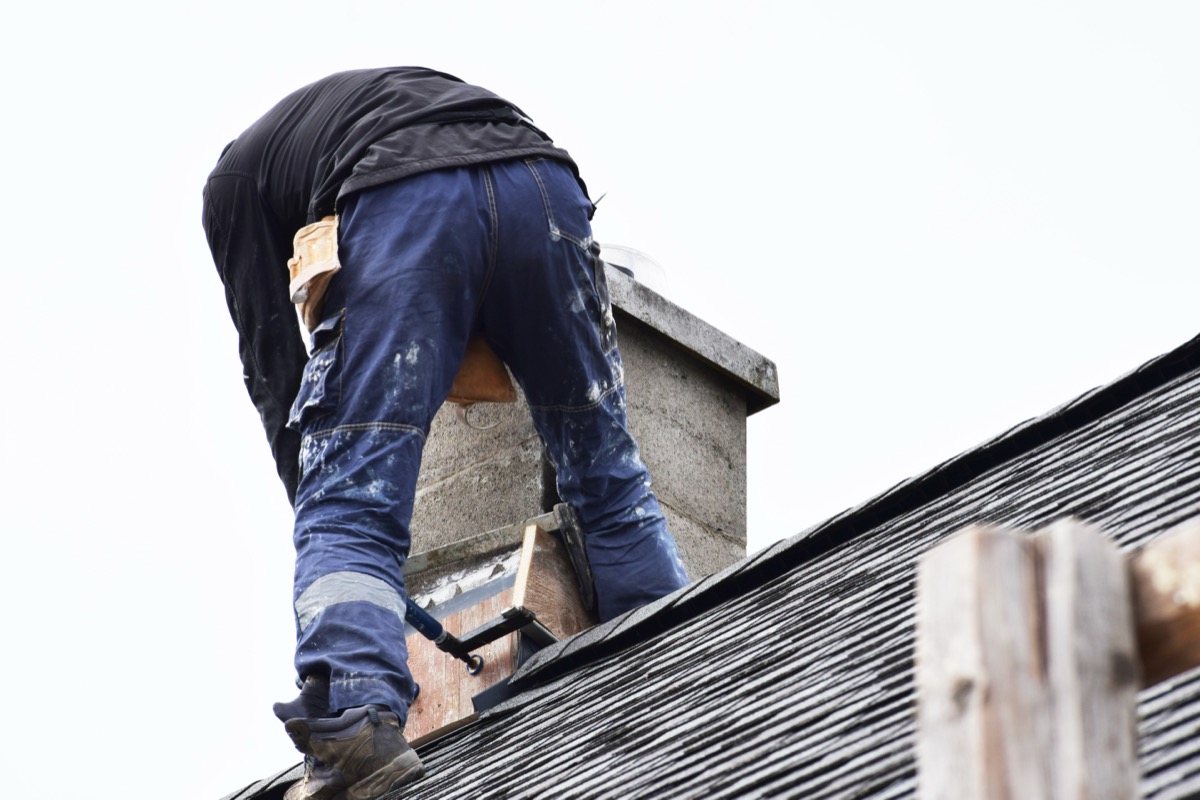
You can drive the whole picture in twenty minutes: York Road, Dulaney Valley Road, Charles Street, Loch Raven Boulevard, Joppa Road and Bellona Avenue, past Goucher College and the Hampton National Historic Site. What that drive shows you is chimneys. Interwar Period Revival design set prominent, often oversized chimneys on front and side elevations as architecture, not plain utility stacks. When one fails, it fails in full view of the street.
Towson also sits high and uneven. At roughly 463 feet it is the highest ground of any suburb we serve, with Dulaney Valley, Cromwell Bridge and Loch Raven falling away below. Terraced yards, stepped foundations and retaining walls are ordinary here.