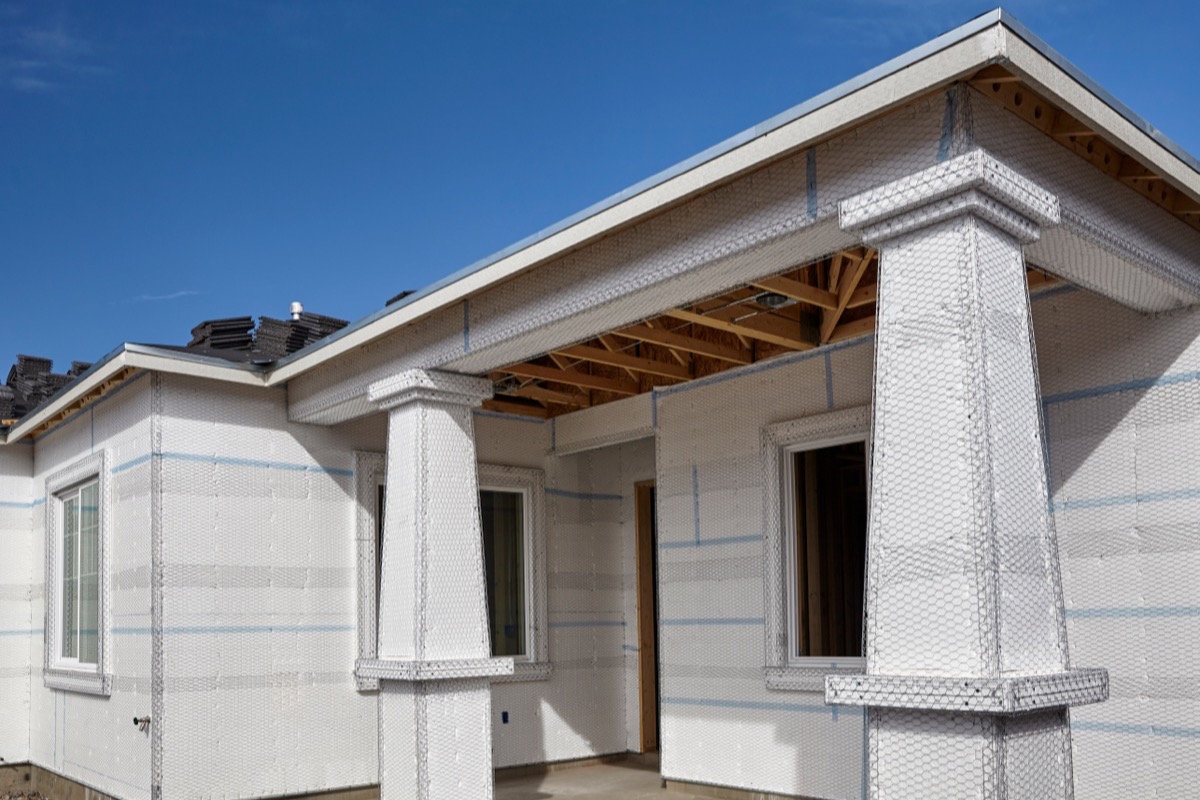
Dundalk was drawn on paper before it was built, and the plan is still readable in the walls. Old Dundalk, the 1918 Garden City core east of Dundalk Avenue, has the curved streets and the circle. St. Helena, west of the avenue and built the same year, is laid out on a grid. Between them, the Emergency Fleet Corporation put up 531 houses in Dundalk and 284 in St. Helena to designs by the architect Edward L. Palmer, using hollow clay tile walls finished in stucco under slate roofs. The St. Helena houses were "convertible houses" in rows of four, six, eight or ten.
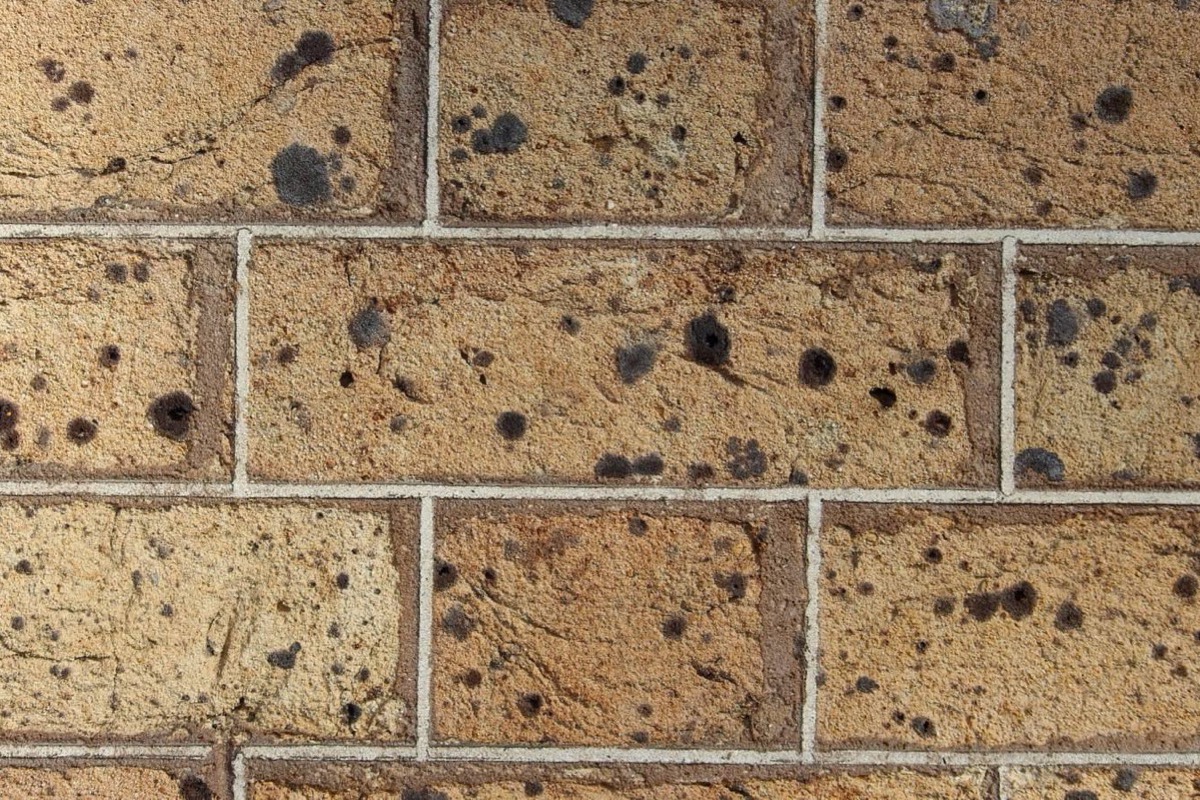
What came next was brick. Through the 1920s and 1930s the Dundalk Company, a Bethlehem Steel subsidiary, added rowhouses, semi-detached duplexes and detached homes in red brick, Colonial and Tudor Revival first, then Art Deco and Art Moderne. Between 1937 and 1942 the Dundalk-Liberty-Cornwall Gardens went up as 30 two-story brick Colonial Revival garden-apartment buildings around car-free courtyards. Gray Manor followed with roughly 650 wartime units finished by 1943, then Gray Haven's 1940s and 1950s brick row homes, Turner Station and Dunmanway.
That history has a practical edge. The Dundalk Historic District was listed on the National Register on 8 December 1983, its structures primarily from 1910 to 1940, with 120 of 982 resources contributing. Dundalk-Liberty-Cornwall Gardens was listed separately in 2011. Most of that stock is bedded in lime-based mortar, so a masonry contractor in Dundalk, MD who reaches for a bag of Type S is about to do damage that cannot be undone.
We work the whole neck: Dundalk Avenue and Merritt Boulevard, the blocks off North Point Boulevard, both sides of I-695, and the streets around Bread and Cheese Creek, CCBC-Dundalk and Sollers Point Technical High School. As a masonry company in Dundalk, MD we take residential and commercial work alike, including storefronts at Shipping Place, Market Place and Center Place. See our commercial masonry services in Baltimore.